
What You Can and Can’t Put in a Skip: Your Simple Waste Guide
Managing waste efficiently is an important part of any project, whether you’re renovating a home, clearing a garden, moving office, or handling construction debris. Knowing exactly what can and cannot go into a skip hire helps avoid delays, fines, or unexpected issues during collection. This guide breaks everything down in an easy-to-understand way, offering helpful insights for homeowners, builders, landscapers, event organisers, and businesses of all sizes.
Below, you’ll find clear explanations, practical examples, and reassuring advice to help you dispose of waste safely and responsibly.
Understanding the Basics of What Can Go in a Skip
Skips are designed for a wide variety of everyday waste materials, making them a versatile and convenient solution for projects of all sizes. Whether you're clearing out a loft, revamping a garden, preparing for a construction project, or managing waste during an office relocation, most common non-hazardous items can be placed in a skip without concern. These include standard household items, building materials, and bulky waste often produced during renovations or upgrades.
Typical allowed waste includes wood, plasterboard (when separated), bricks, metal, tiles, cardboard, furniture, garden waste, and general household debris. These items are commonly produced during works carried out by builders, landscapers, or individuals carrying out clearouts. Because such materials pose no environmental danger, they are easily processed through standard waste transfer facilities, making collection fast and efficient.
With countless online searches for skip hire near me, many customers simply want a straightforward service that collects the type of waste their project naturally creates. As long as your materials fall within non-hazardous categories, a skip provides one of the easiest ways to keep your site organised, safe, and compliant. Our customers benefit from clear guidance so they can start their project with confidence, knowing exactly what to place inside.
Items That Can Go Into a Skip Without Issue
When planning a renovation, construction project, or large cleanout, it helps to know which materials can be disposed of quickly and without extra requirements. Wood is one of the most common items placed into skips, particularly after kitchen replacements, door removals, or flooring upgrades. Skips also accept metal such as rails, frames, pipes, and brackets removed during light demolition or garage clearing.
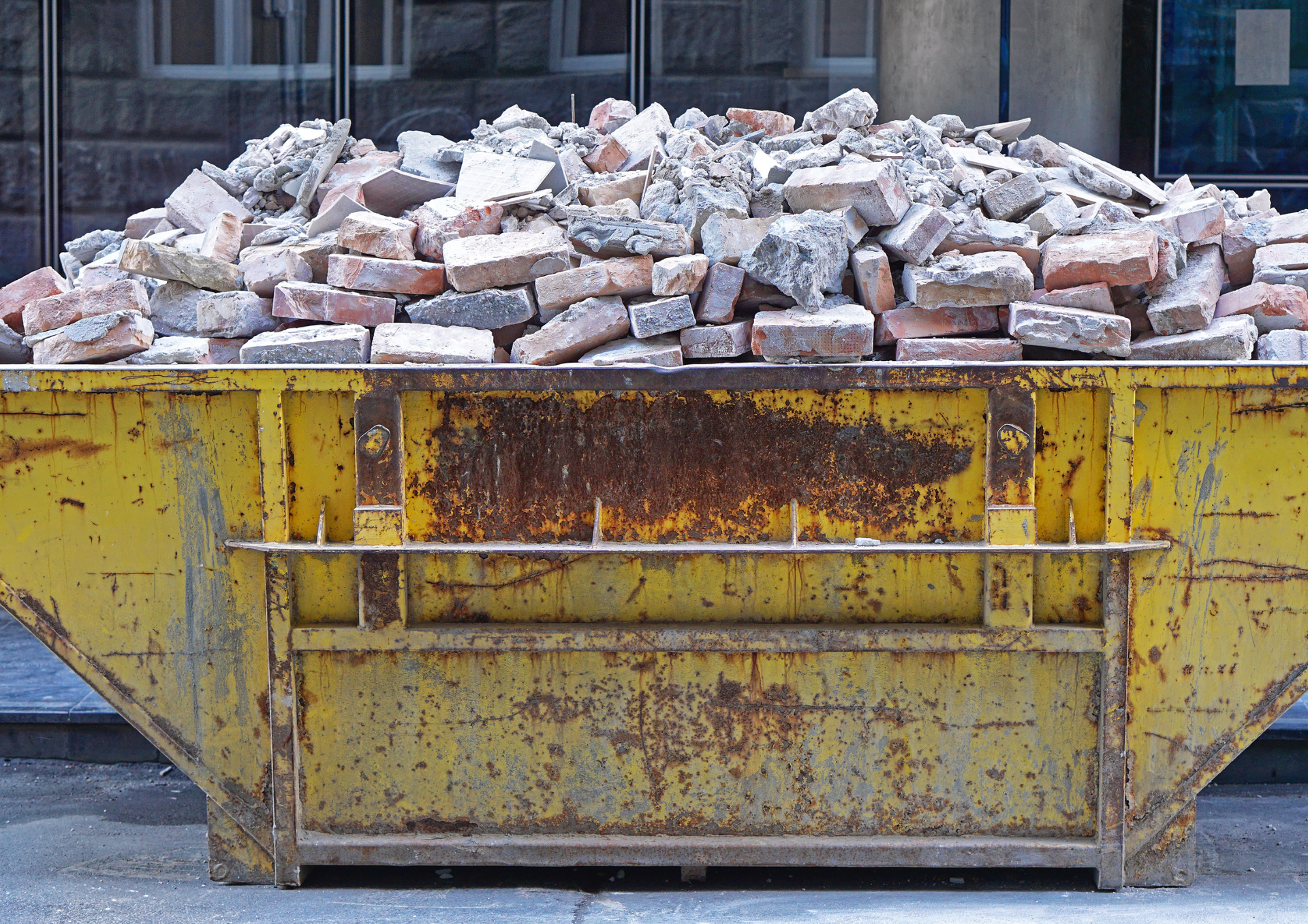
Builders often produce large quantities of bricks, rubble, and concrete, all of which are suitable for a skip as long as they’re free of dangerous contaminants. Tiles from both bathrooms and kitchens are also accepted, along with ceramics, sinks, and toilets removed during refurbishment works. Landscapers can dispose of soil, branches, hedge cuttings, and turf, provided they’re not mixed with hazardous waste.
One thing customers frequently compare is skip hire prices, particularly when deciding which waste types may require a larger container. Non-hazardous waste generally offers the best value for money because it is the easiest to process and recycle. Choosing an appropriate size not only helps control the cost of your project but also keeps your workspace safe and organised.
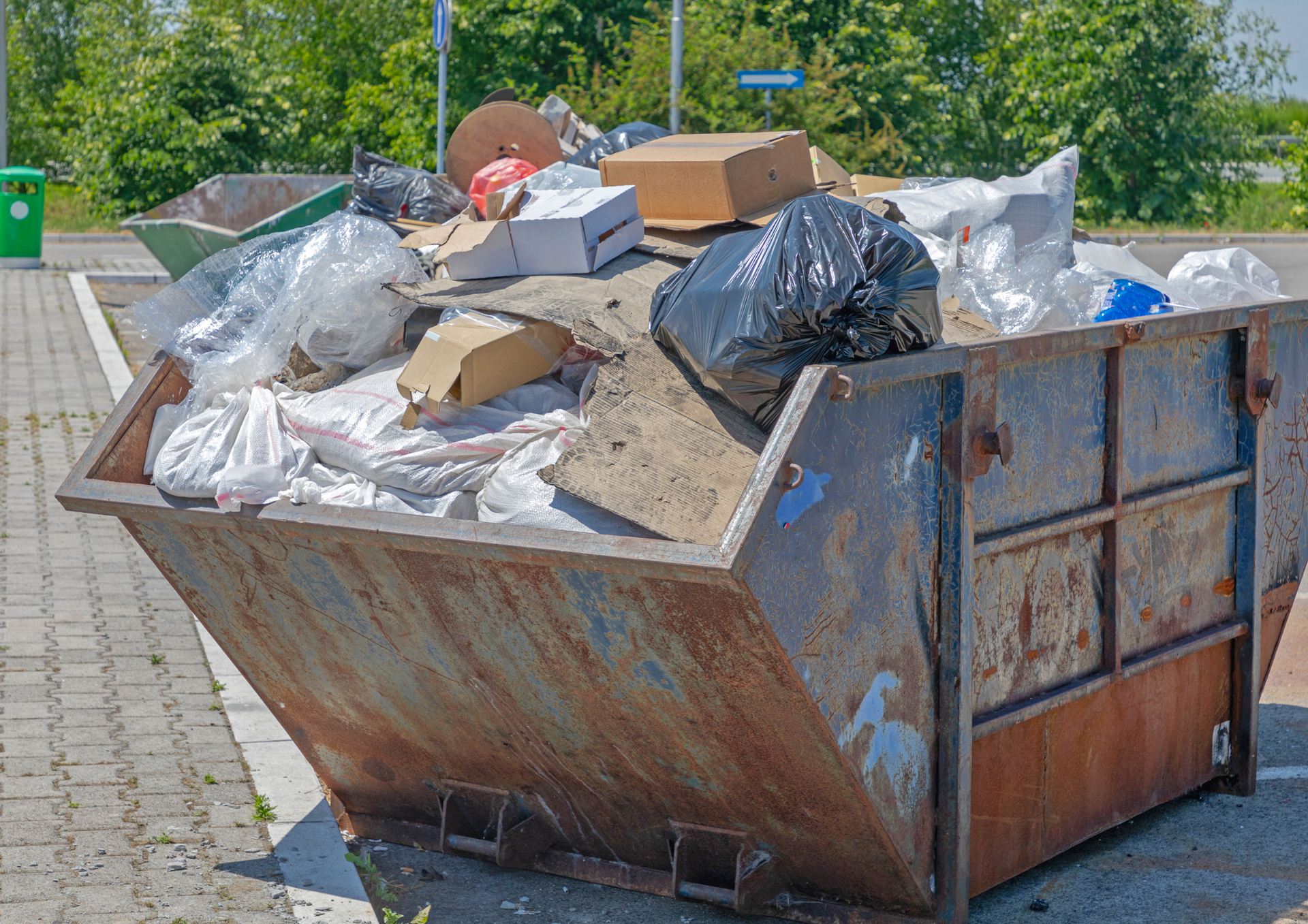
Cardboard, packaging, and plastics from office moves or home deliveries can also be placed in a skip without issues. Bulky household items such as wardrobes, tables, broken furniture, and mixed junk from garages, sheds, or attics are similarly acceptable. For many customers, having one place to dispose of all these items keeps the job simple, tidy, and stress-free from start to finish.
Items You Cannot Put in a Skip and Why
Despite the flexibility of skips, there are certain waste types that must be handled separately for safety and environmental reasons. These items can pose risks to collection staff, the public, or the wider environment, which is why they require specialist disposal. Knowing these rules beforehand ensures compliance and avoids additional charges or disruptions to your project.
One of the main categories of prohibited waste is hazardous materials. This includes chemicals, solvents, paints, varnishes, and adhesives. These substances can leak, react, or contaminate other materials, making them unsuitable for standard waste processing facilities. Batteries—including lithium, car, and household batteries—are also prohibited due to fire risks and chemical hazards.
Electrical items such as fridges, freezers, washing machines, microwaves, and televisions fall under WEEE regulations, meaning they cannot be placed in a skip. These items require dedicated recycling channels to safely handle components like refrigerants, wiring, and internal metals. If you have large appliances to dispose of, most councils offer suitable collection services.
While many customers look for local skip hire solutions that can handle mixed waste, it’s important to separate asbestos, medical waste, tyres, gas cylinders, and fluorescent tubes. These materials must be processed by licensed specialists due to health and safety regulations. Even small quantities can create risks during sorting, so always consult your provider for guidance if unsure.
Plasterboard deserves special attention. While it can be placed into a skip, it often needs to be separated from other waste to prevent chemical reactions during decomposition. Most reputable skip companies provide dedicated bags or compartments to help customers dispose of plasterboard safely and responsibly.
Alternatives for Items That Cannot Go Into a Skip
If you’re handling waste that isn’t suitable for a skip, there are still straightforward options to ensure everything is disposed of legally and efficiently. Local household recycling centres accept a variety of items that may be restricted from skip collections, including small electricals, batteries, cardboard, clean plastics, and glass. This is a practical solution for individuals generating smaller quantities during home cleanouts or renovations.
For hazardous or specialist items, professional disposal services are the safest and most reliable option. These services are licensed to handle materials such as asbestos, chemicals, and large appliances. They ensure that everything is transported and processed according to environmental regulations, reducing the risk of contamination or health hazards. This is particularly useful for construction companies and businesses managing waste from refurbishments, relocations, or demolitions.
Customers also have the option of using a skip bag, which can be ideal for smaller projects or for waste that needs collecting quickly. Bags offer a flexible alternative when traditional skip access is limited, and they’re particularly useful for gardens, driveways, or properties with restricted space. They can hold a surprising amount of waste and are perfect for lighter, non-hazardous materials.
If you regularly require waste removal, especially as part of ongoing work in building, landscaping, or events, choosing the right provider can make all the difference. Customers often undertake searches for skip hire services to find a company that provides clear guidance and convenient collection options. A reliable provider ensures that you always have safe and compliant alternatives available when needed.
Knowing what you can and can’t put into a
skip hire ensures your project runs smoothly, safely, and without unexpected complications. By understanding which materials are allowed, identifying restricted items, and choosing appropriate alternatives, you can manage waste responsibly while keeping your site organised. Whether you’re renovating a home, managing a commercial build, landscaping a garden, or planning a large event, proper waste disposal keeps costs under control and helps protect the environment. With clear information and the right support, you can approach any project confidently and efficiently.
Skip Hire Chesterfield offers a dependable, straightforward, and customer-focused service tailored to the needs of homeowners, construction companies, landscapers, and local businesses. We provide clear guidance on acceptable waste, flexible
skip sizes, reliable delivery and collection, and transparent advice to help you stay compliant. Our team ensures every customer receives a smooth, stress-free experience from start to finish, whether you're clearing out a home, managing building waste, or coordinating a large commercial project.
Just out on X:
Skip hire tips – your simple guide to what you can and can’t put in a skip!
You might also like